Games & hobbiesClaude Code
Five months, one dev, a WW2 tank war
A solo developer in Korea shipped a working WW2 tank strategy game with Claude Code. The post is about the part nobody warns you about: what comes after it works.
One Android agent picked up 5,300 GitHub stars this week. Somebody spent three months building an MMO and called it quits. Somebody else put all the world's law into Git. And a guy turned his AI assistant into a Tamagotchi, which 1,376 people upvoted.
The lead story is games, and it's an honest one: the AI gets you a working game fast, and finishing it is still the hard part. Elsewhere, a cheap model does the typing while an expensive one does the thinking, two people built nearly the same Hacker News book index without knowing it, and someone ran Claude on a terminal from the 1980s.
New this issue: Back on the radar, where we check in on builders from last week who shipped again. The meteor camera did not slow down. Neither did the guy tracking whether Opus is getting dumber. (It isn't. Day 34.)
The most-discussed builds this week were games, and the comment sections read like a support group. A solo developer in Korea spent five months building a WW2 tank strategy game with Claude Code; it works, and the post is about what comes after it works. Another builder spent three months vibe-coding an MMO and announced they were throwing in the towel. Over 360 people weighed in on each.
The biggest argument of the week came from a tabletop game master who built a full game system for Foundry VTT with Claude Code and was told that counts as stealing. That thread drew 438 comments.
On the brighter side: a fishing and exploration game reached a free demo after three months of AI-only coding, browser games that turn several phones pushed together into one big board picked up 2,295 upvotes, and someone finally shipped the Earth-scale explorable planet they shelved in 2012. The pattern is clear. AI gets you a playable game in weeks. Making it fun, finished and fair is still on you.
A solo developer in Korea shipped a working WW2 tank strategy game with Claude Code. The post is about the part nobody warns you about: what comes after it works.
The builder vibe-coded an MMO all the way to playable, then called it quits. The post-mortem drew 362 comments and is worth more than the game.
A game master built a full tabletop system for Foundry VTT with Claude Code and was told that counts as stealing. 438 comments later, nobody agreed on anything.
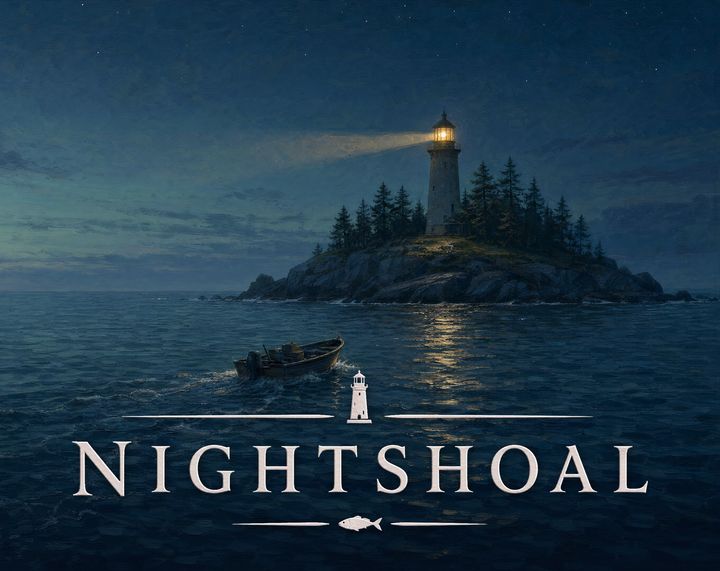
Thirteen weeks of AI-only coding and the fishing-and-exploration game has a free demo. Back from last issue, promise kept.

Push a few phones together and they become one board. Free, in the browser, and 2,295 people wanted to play.
An Earth-sized planet you can fly from orbit to the ground with no loading screen. Shelved in 2012, shipped this week.
Each of these is good on its own. Bolt two together and you get something nobody has shipped yet. The builders have never met. Consider this the introduction.
One builder replaced their agent orchestrator with a plain message board where coding agents post, read and coordinate. Another made Claude Code call their phone when it needs input, with no Twilio and no phone number.
How it fits: The message board as the agents' shared room, with agentring wired in so a stuck agent rings the human instead of waiting in silence.
Floorplan has Claude or Codex draw a plain-English, interactive map of how your app fits together. Proschi is a text language for system diagrams that plays simulated request flows right in the terminal.
How it fits: Floorplan's map exported as a Proschi diagram, so the drawing comes from the real code and the request flows show how it actually behaves.
cheapAg keeps Opus as the planner and hands boilerplate to a model that costs a fraction of a cent, because its builder kept hitting Opus limits. optimAIzr tracks AI coding usage across Claude Code, Codex and opencode, now with a VS Code extension.
How it fits: optimAIzr spotting which tasks burn the most tokens, and cheapAg routing exactly those to the cheaper model.
CrowdGPT, now on version 2.6, trains a language model on volunteers' computers. ClusterChat runs a 27B model in the browser by splitting it across volunteers' consumer GPUs.
How it fits: CrowdGPT's community-trained model served through ClusterChat's volunteer network: a model the public both builds and runs.
Two iPhone agents, two Hacker News indexes, two ways to squeeze a 125B model onto cheap hardware. Same problem, different builders, nobody comparing notes. Somebody start a group chat.
Thumbwise is a Mac app plus MCP server that lets Claude rearrange your iPhone Home Screen over USB. OpenLolo is an open-source hardware box that lets AI assistants see and operate an iPhone through MCP.
If they talked: One is software, one is hardware, and they're solving the same problem. Sharing an MCP interface would let an assistant work with either.
HackerBooks indexes about 16,500 books mentioned in Hacker News comments, each linked back to the discussion. Days later, HackerHack launched as the same idea for posts shared on HN.
If they talked: These could be one site with two tabs. Right now they're two sites with one audience.
Betelgeuse runs Qwen 3.8 Flash Next at 22 tokens a second on a 12GB RTX 3060 by predicting which experts it needs. MoEShift runs the same 125B model on a 24GB Mac and nearly quadrupled its speed.
If they talked: Same model, same trick of being clever about which parts to load, one on Nvidia and one on Apple. They'd learn a lot from each other's code.
One builder used Claude to put all of the world's law into Git, where every change is tracked. Another built an interactive explorer of 344,799 cross-references between Bible verses.
If they talked: Both turn an enormous body of text into something you can navigate and follow the connections in. The tooling for one would serve the other.
An agent that lives on your Android phone and taps through apps and websites for you. 5,300 stars and a thousand comments in seven days.
Every book ever recommended in a Hacker News comment, about 16,500 of them, each linked to the thread where someone swore by it.
Glasses that read the words you mouth silently and type them. Talk to your computer in a quiet office without saying a thing.
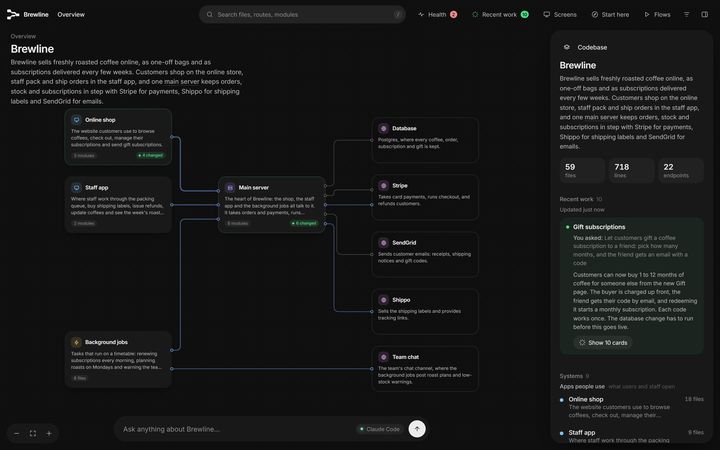
Point Claude or Codex at a codebase and get a plain-English, clickable map of how it all fits together. 2,247 stars say people were waiting for this.
A self-hosted AI assistant stuffed into a Tamagotchi-style handheld. The most upvoted hardware post of the week, and the cutest.
Builders from issue two who came back with news. The meteor camera nearly tripled its upvotes, the volunteer-trained model got a version bump, and the Opus-nerf tracker is still finding nothing, which is the point.
The meteor camera from issue 2 posted again and went from 602 to 1,684 upvotes. Claude Code still sorts the night's catch before the builder wakes up.
Last issue: Open-source 4K sky camera that Claude Code runs to detect and sort meteors.
Last issue it was a headless-workflow agent. This week its builder ran five Qwen 27B models as a team and beat a frontier model on LiveCodeBench.
Last issue: Coding agent for building and running repeatable headless workflows.
The "is Opus getting nerfed" tracker is still running. Day 34 and counting, still no decline. 414 people keep checking anyway.
Last issue: Tracks Claude model capability over time to spot degradation.
The volunteer-trained model hit version 2.6. Still no data center, still trained on strangers' PCs, now with more of them.
Last issue: Collaboratively trained 1B-parameter LLM using volunteers' PCs.
The Apple-silicon engine that pushed a 27B Qwen to 140 tokens a second is back with custom Metal kernels and a new benchmark.
Last issue: Open-source inference engine for Apple silicon running Qwen 27B at 140 tok/s.
The three-megabyte kanban board that coding agents update over MCP got a second wind on r/mcp.
Last issue: Tiny self-hostable kanban board that doubles as an MCP server for coding agents.
793 builds, 374 audiences. Developers building for developers, sure. The good stuff is down the long tail: birders, DJs, long-distance couples, two kids sharing one iPad. Tap one and the Explorer serves up everything made for them.
Appetizers before the main course. Each of these was the biggest thing in its own corner of the internet and never came close to the front page. Hardly an upvote between them, but the comment threads ran long. A stranger who stops to argue is worth ten who scroll past.
Script widget that measures demand for a feature before you build it.
Helps businesses find newsletters to sponsor and research ad opportunities.
Open-source C++20 web framework inspired by ASP.NET Core.
Still half the radar. This week: an agent harness that actually gets its pull requests merged, memory that fits in a gigabyte, a diff that reads PDFs, and a local model with its own phone number.
Hands Linear tickets to coding agents and ships the result. The builder's whole team adopted it, and about 80% of its pull requests get merged.
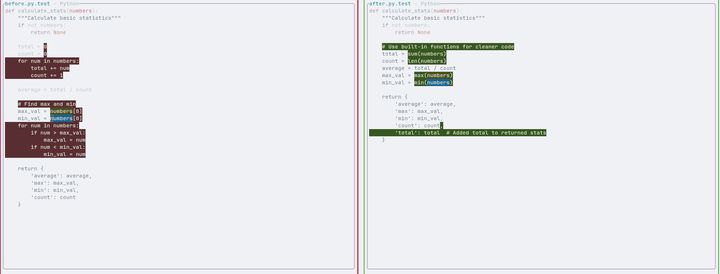
A Git diff that understands code, images, PDFs and zip files. Written in Rust, fast enough that you notice.
Six months of daily work, one release: a local memory engine for AI models that fits in 1.2GB of graphics memory.
Give a model running on your own machine a real phone number and let it make and take calls. Open source, slightly unnerving.
Things people actually pay for, with receipts: a first sale, $6,800 in 28 days, and 1,171 Mac users who just wanted their files converted.
A comparison site for AI-text humanizers got its first paying customer, and 252 strangers turned up to celebrate and ask how.

Drag any file, tap Shift, get it converted or compressed. Works offline. 1,171 Mac users said yes please.
An offline transcription app for iPhone, and the builder showed the receipt: $6,800 in the last 28 days.
Present to a room without screen-sharing, and hand the clicker to a co-host when you need a breather.

6,222 startup ideas mined from 100 old science-fiction novels. Some of them are already companies.
A candle on a globe for someone you miss, movie night across an ocean, two kids on one iPad, and a map of the strays.
Locks the keyboard and trackpad and turns the screen white so you can wipe it down. Timely, now that Macs have touchscreens.
After losing a cousin, a builder made a quiet website where you light a candle on a globe for someone you miss.
Watch a movie in perfect sync with someone far away. Built for one girlfriend, then opened to everyone.
Two kids, one iPad, separate profiles and screen-time limits. The feature Apple never shipped, shipped by a parent.
A shared city map for marking where the strays are and who fed them last.
Paint that behaves like paint, a scroll to the bottom of the ocean, a DJ who automated the boring half, and captions that fit any screen.
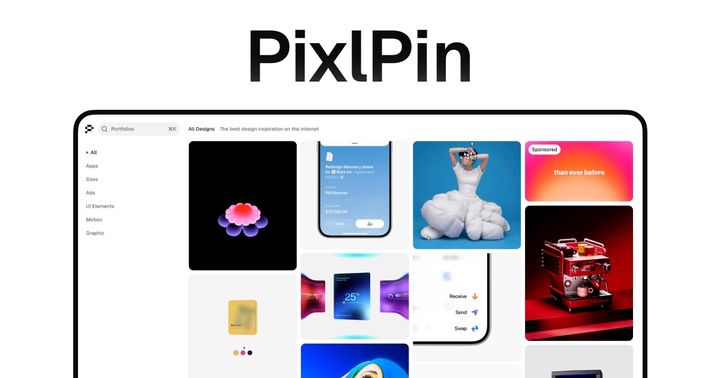
A designer who can't code built the screenshot-inspiration organizer they always wanted. 218 comments, mostly designers asking for a link.
Scroll your way down to the deepest point in the ocean, in 3D, with the pressure and the darkness rendered honestly.
A digital painting app where the paint behaves like paint. Going open source soon.

A DJ who hated prep built a desktop app that runs 12 local models to set beat grids, keys and tags while they sleep.
Transcribe, fix and lay out captions for any screen shape, from vertical phone video to widescreen.
Beyond the lead story: Pokémon Go for birders, a country cut exactly in half, and Mario 64 on your coffee table.

Pokémon Go for birders: 600,000 real sightings logged as catches, with rarity tiers. The BBC noticed.
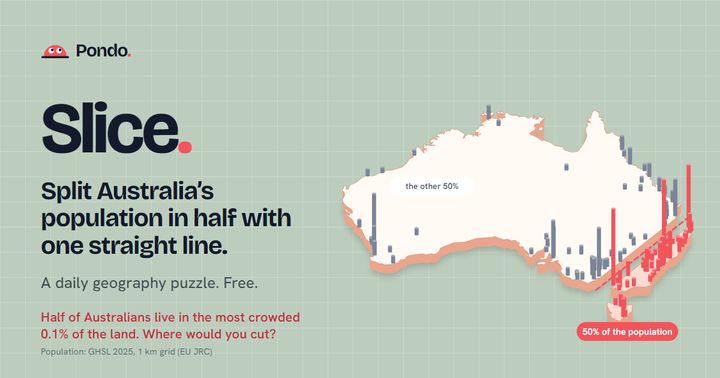
Draw one line that cuts a country exactly in half by population. Harder than it sounds, addictive once you miss.
Mario 64 as a mixed-reality diorama on your coffee table, at 90 frames a second. A weekend project, apparently.
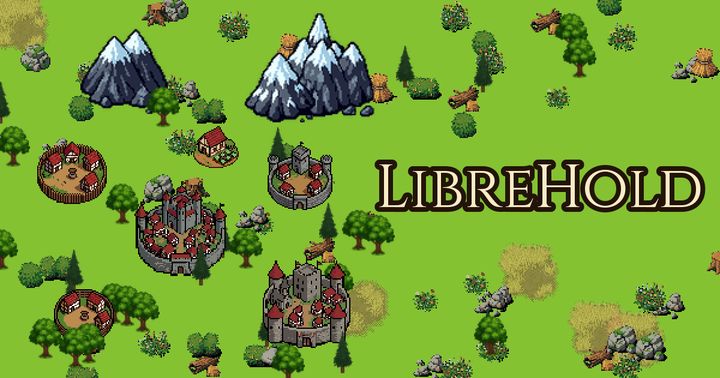
An open-source, persistent browser strategy game in the spirit of Tribal Wars, for everyone who misses 2007.
A breadboard computer in 3D, SQL taught as detective work, flashcards that know your exam date, and Claude Code moonlighting as an English tutor.
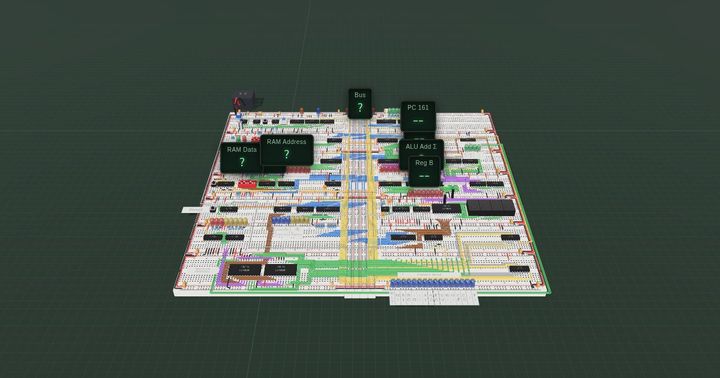
Ben Eater's famous 8-bit breadboard computer, rebuilt on virtual 3D breadboards you can poke.
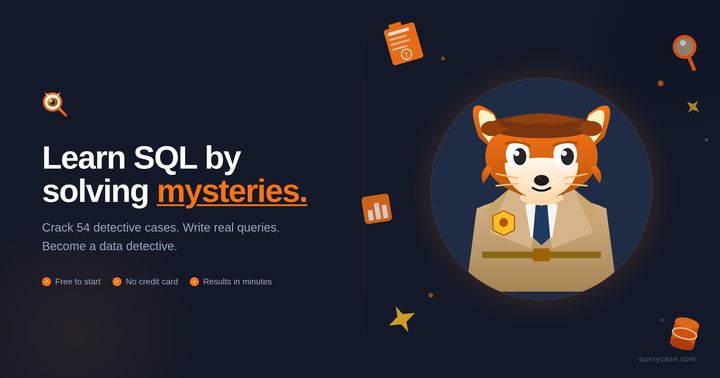
Learn SQL by solving detective cases. Over 2,500 people have taken the badge.
A flashcard app built for a girlfriend's law exams that schedules reviews around the test date. Fifty students now, and counting.
Built by a non-native speaker: after each prompt, Claude Code corrects the English you typed. Learn while you ship.
A circuit board designed by Codex and manufactured for real, a two-GPU home rack, Claude on a 1980s terminal, and Android sneaking into CarPlay.

A fairly complex circuit board designed with GPT and Codex, sent to the factory, and it worked the first time.
A self-contained rack server with two pro GPUs that runs all of its owner's AI at home. No cloud bill.
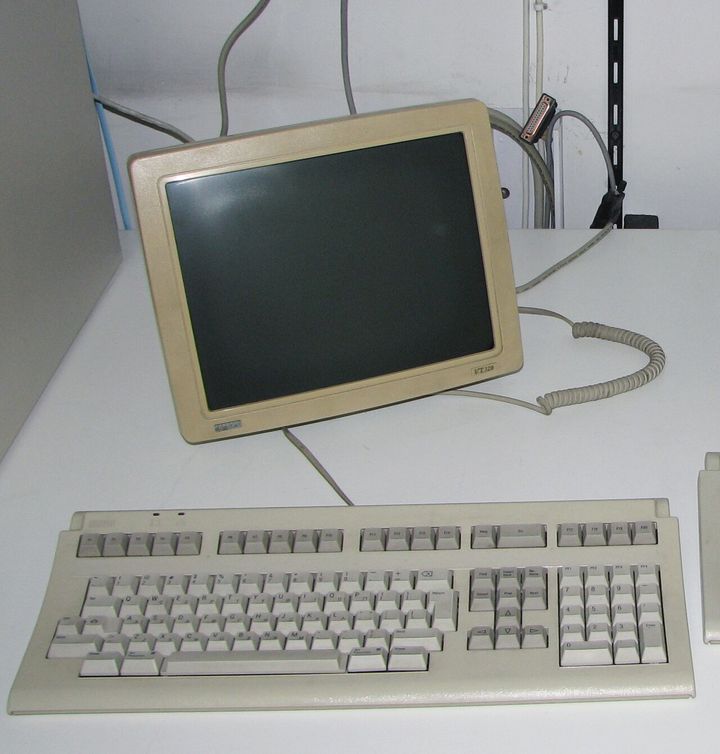
Claude, running on a 1980s VT320 terminal at 38,400 baud through a Raspberry Pi. Because someone had to.
Claude helped bridge an Android phone into a Mini's wireless CarPlay, a pairing that isn't supposed to exist.
No box fits. A Bluesky-plus-Mastodon client, and Rover the search dog, resurrected.
Bluesky and Mastodon in one tab, local-first, with your data staying on your machine.
Remember Rover, the search dog from Windows XP? Someone resurrected him to sniff around Codex.