Hardware & homeClaude Code
arn0-tv
Custom Samsung TV home screen with clock, apps and consoles replacing the ad-filled default.
This week somebody got Doom running on the time clock at work. Somebody else wrote an entire web browser from scratch. And at least four people looked at their TV, saw an ad before Netflix, and said absolutely not.
We went through 1,908 posts from 47 subreddits, Hacker News, GitHub, dev.to and Product Hunt so you don't have to. About 1,500 turned out to be real things real people made. The rest were questions, hot takes, and a steady stream of people asking if Opus got nerfed. (Someone built a tracker for that, too. Day 29: still fine.)
Two new toys this issue. Better Together is where we play matchmaker for apps that have never met. And there's a search box up top, so go ahead and type in dog, or HR, or whatever you're into, and see who's building for it. Also, a pizzeria has its own ordering app now. Your move, delivery apps.
The most upvoted build of the week was not a developer tool. It was a person who replaced their Samsung TV's ad-filled home screen with their own, written with Claude Code. It drew almost 3,000 upvotes and 246 comments. Within days the pattern was everywhere.
One builder gave Claude Code nothing but their parents' TV model number. It found the set on the home Wi-Fi and stripped out the ads. Another, annoyed by an ad before Netflix on their parents' Xiaomi TV, open-sourced an agent-driven cleanup tool for it. On Hacker News, someone made an LG smart TV dumb and then rebuilt it around voice. Away from the TV, a 12-year-old Kindle became a clock and weather display, and a self-hosted e-ink dashboard app passed 900 GitHub stars.
The common thread: the devices in our homes are full of software nobody asked for, and a coding agent turns out to be patient enough to get past it. Expect a lot more of this.
Custom Samsung TV home screen with clock, apps and consoles replacing the ad-filled default.
Claude Code found a parents' TV over ADB and removed its ads.
Agent-driven tool that disables ads and trackers on a Xiaomi TV.
Replaces a webOS smart TV interface with a voice-driven custom one.
Old Kindle turned into a clock and weather display.
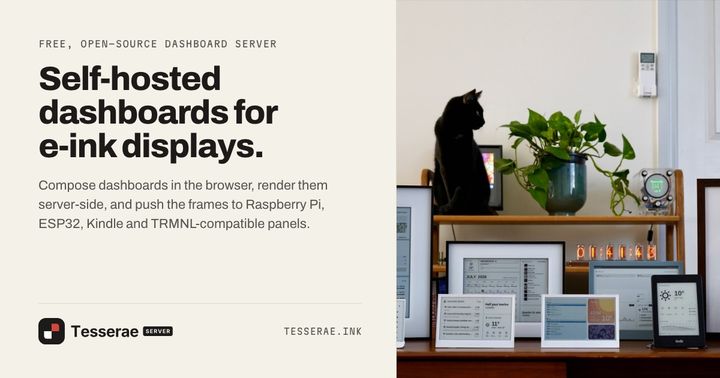
Self-hosted app for e-ink dashboards with calendar, weather and Home Assistant.
Each of these is good on its own. Bolt two together and you get something nobody has shipped yet. The builders have never met. Consider this the introduction.
Corgi runs many agents side by side and keeps an activity feed of which ones need you. Separately, a builder wired a physical status light to Claude Code so they could stop checking the screen.
How it fits: Corgi's feed driving the light, so one lamp on the desk shows whether any agent in the fleet is waiting on you.
Atomic Agent lets Opus plan while a local Qwen model writes the code. Kapitsa is an Apple-silicon engine pushing a 27B Qwen to 140 tokens a second. MAFDET starts a local model thinking while you are still typing.
How it fits: Atomic Agent running on Kapitsa with MAFDET's head start would make the local half of the split close to instant. All three are open source.
Kinetograph is a fast rendering engine built for agents. FableCut gives agents a video timeline to edit through MCP. A third builder open-sourced a full YouTube editing system with a teleprompter, editing agents and motion graphics.
How it fits: Kinetograph as the renderer under FableCut's timeline, with the YouTube system's editing agents deciding the cuts. Each team has built the piece the others are missing.
Weatherling hit number 3 in the Mac App Store. Should We Ride Today tells motorcyclists whether to ride. Storm Sensei sends lightning alerts for your exact spot.
How it fits: The two niche apps could ride on Weatherling's audience as add-ons, and Weatherling would gain features for riders and storm-watchers without building them.
Rekindle turns a 12-year-old Kindle into a clock and weather display. Tesserae is a self-hosted app for e-ink dashboards with calendar, weather and Home Assistant panels, now past 900 GitHub stars.
How it fits: Tesserae renders the dashboard, and Rekindle's work gets it onto hardware people already have in a drawer.
Narro reads web pages and Kindle books aloud with local AI voices. Hurston-1 is a new open-source voice model that handles Southern American and African American English well.
How it fits: Hurston-1 as a voice option inside Narro. Both run locally, so nothing leaves your computer.
Canvas MCP lets Claude or ChatGPT read your courses and due dates from the Canvas school platform. Loudwalk reviews your Anki flashcards out loud on a walk.
How it fits: An assistant that pulls what is due from Canvas, builds the flashcards, and hands them to Loudwalk for the walk home.
Two people, two time zones, one problem, zero awareness of each other. Somebody start a group chat.
Both builders replaced a smart TV's interface from scratch, one on Samsung's Tizen, one on LG's webOS. They are solving the same launcher, input and app-switching problems separately.
If they talked: A shared, open TV launcher with a plug-in for each brand, instead of two one-off projects.
Two people independently decided the best way to watch a fleet of coding agents is a little office where each agent sits at a desk. One asked Reddit whether it is a gimmick. The other shipped it on GitHub and got 270 stars, which answers the question.
If they talked: Combine the art and the live session tracking into one tool. The Reddit builder has the design, the GitHub builder has the Claude Code and Codex hooks.
Bellman gives Claude agents shared rooms so the human stops being the copy-paste bus between sessions. System One gives a coding agent memory that persists between runs. Same pain, two angles.
If they talked: System One's long-term memory living inside Bellman's rooms, so a team of agents shares both the conversation and what it learned.
A builder with no coding background spent six weeks with Opus and Godot turning drawings into a Ragnarok-style monster hunter. A tabletop game master who can't code spent 750 hours on a Pathfinder tactics RPG. Both posts drew hundreds of comments from people asking how.
If they talked: A joint write-up or stream on the workflow. Between them they have answered most of the questions in each other's threads.
A web browser written from scratch in Rust with Claude Code. It was the most-discussed build of the week, with 299 comments.
No coding or game-dev background, six weeks, Opus and Godot. The result is a Ragnarok-meets-Monster-Hunter game, and 2,700 upvotes from people asking how.
A pizzeria got its own ordering app, built with Claude Code, so regulars can skip the delivery apps and their fees. 1,300 upvotes and 200 comments.

A flying-taxi endless runner straight out of The Fifth Element, playable in the browser.
A phone camera app that records portrait and landscape video at the same time, so one take covers every platform.
522 builds, 247 audiences. Developers building for developers, sure. The good stuff is down the long tail: TV owners, McDonald's regulars, motorcyclists, people who can't sing. Tap one and the Explorer serves up everything made for them.
Appetizers before the main course. Each of these was the biggest thing in its own corner of the internet and never came close to the front page. Forty upvotes in r/ollama is a standing ovation. We count it that way.
Desktop local-model assistant with in-app browser, computer use and approval prompts.
Open-source eval toolkit with local MCP server for testing agent skills and regressions.
MIT coding agent in Python not tied to one model provider.
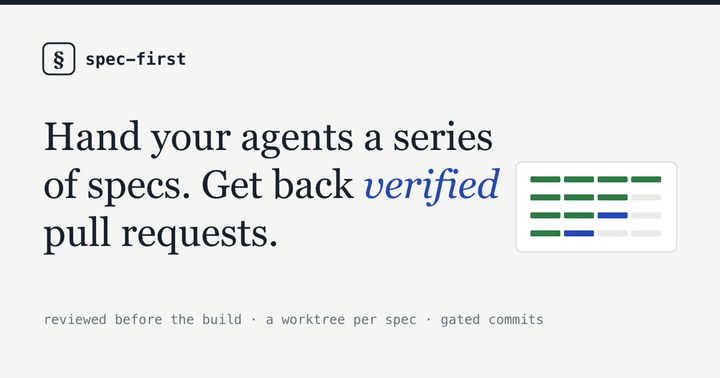
Spec-first agentic development plugin built around specifications.
Claude Code mod that protects your usage window.
Programming language that compiles wikis for agents.
Half the radar, every week. This time it's models running in spare bedrooms and tools that stop agents from lying about their test results.
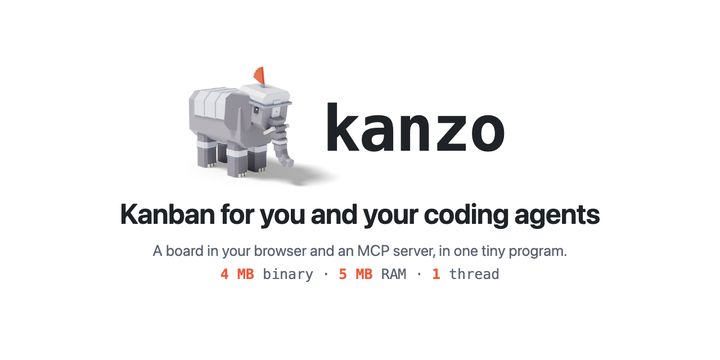
A tiny self-hosted kanban board that coding agents can read and update through MCP. It uses about 3 MB of memory and a few dozen tokens per reply.
A 1B-parameter language model trained by volunteers' PCs, like the old SETI@home screensaver.
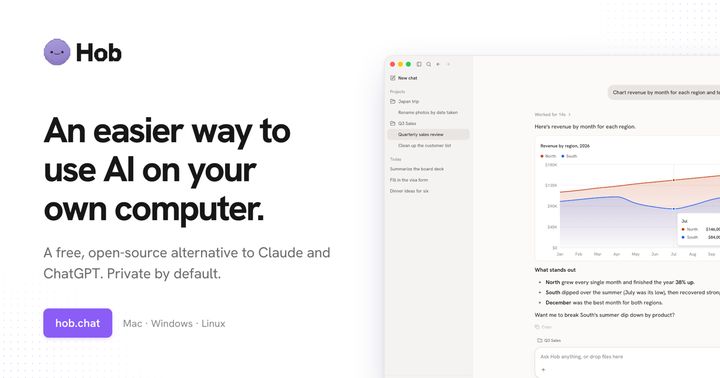
An open-source, on-device alternative to Claude Cowork and ChatGPT that works on your own files.
Kitten-TTS 2: an open-source voice model small enough to run on a laptop's processor, with voice cloning.
A free Codex plugin that writes your web app's user guide, with screenshots.
Pizzerias, grooming vans, lawyers, job hunters. The software is small and specific, and half of it was built by someone who insists they can't code.
Scheduling software built for a cousin's mobile grooming van turned into a real business.
Ghosted by LinkedIn after a final-round interview, the builder started a hiring platform to compete with it. 279 people weighed in.
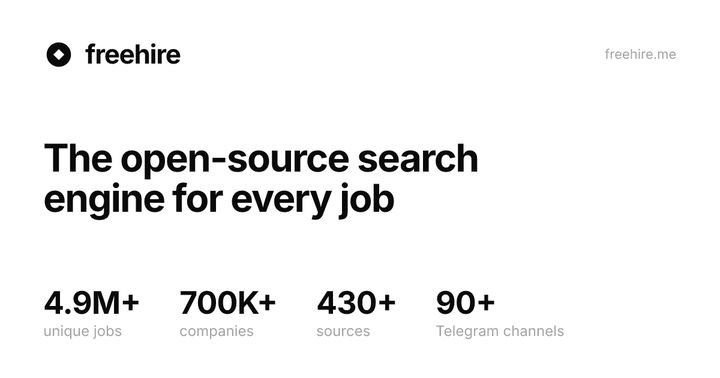
Open-source search across 3 million tech jobs pulled straight from company career pages.
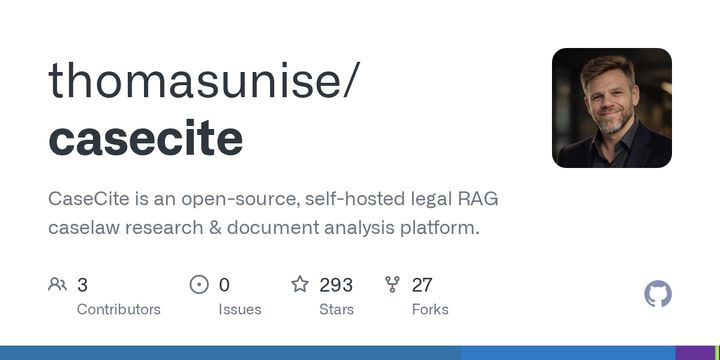
Free caselaw research and document analysis for lawyers.
Hospital bills, movie night, flight hunting, bookshelves. The stuff that eats your evenings, with the friction sanded off.
Searches hospitals' negotiated rates so you can see what a procedure should cost before the bill.
Swipe-style movie matching for two people, built so the builder and their girlfriend stop arguing about what to watch.
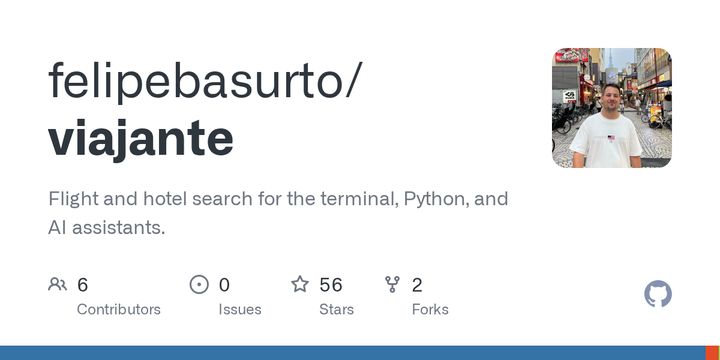
An MCP server that searches Google Flights, Google Hotels and Booking from your own machine.
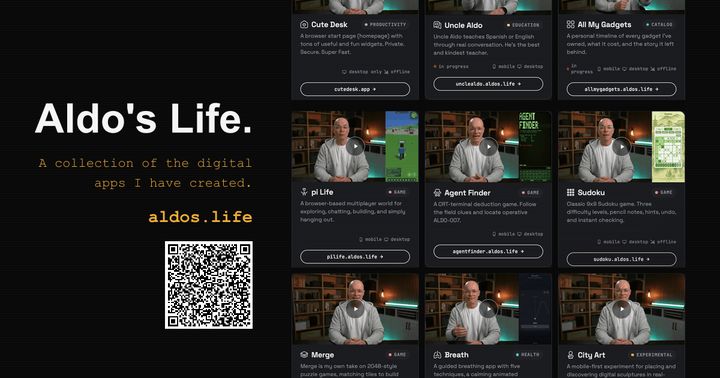
Your digital books on virtual wooden shelves. A weekend project people loved.
A voice with the right accent, a Game of Thrones title sequence built from code, and a rifle animated by a model with no hands.
Open-source text-to-speech that does Southern American and African American English well, accents most voices get wrong.
Motion capture for any creature from a single AI-generated video, exported as a rigged 3D model.
A shot-for-shot recreation of the Game of Thrones opening, rendered entirely from code.
Opus drove Blender through MCP to rig and animate a first-person weapon, ready to drop into Unity or Unreal.
A flying taxi, a city you can level, PlayStation 2 ports, and a shooting range that lives on your monitor.
Laser dry-fire practice: a webcam watches your monitor and scores every shot.
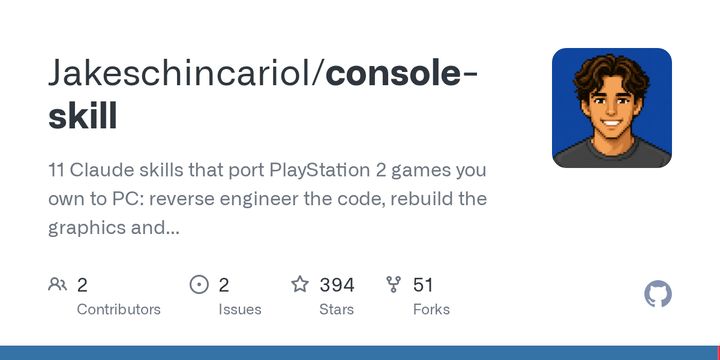
Claude skills that help you port PlayStation 2 games you own to the PC.
An open-world game with fully destructible buildings and no loading screens.
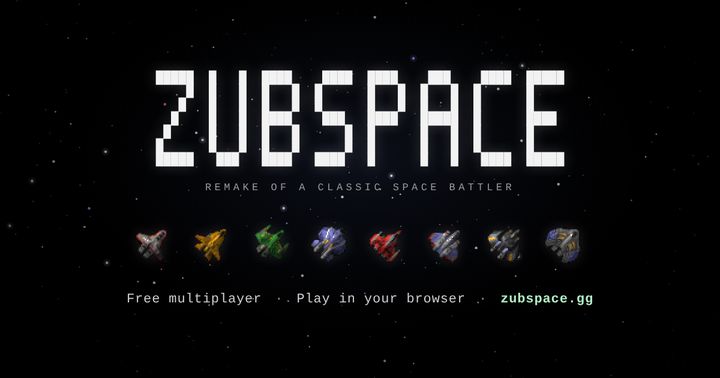
A browser remake of SubSpace, the 30-year-old space MMO.
Walk through a file system like a museum. Land a plane. Read ciphers nobody has read. Learning by poking at things.
An interactive, animated museum of how the ZFS file system works inside.

A live 3D airport with real flights, built to help student pilots prepare for exams.
Six weeks of pointing Claude Code at historical ciphers nobody had ever read.
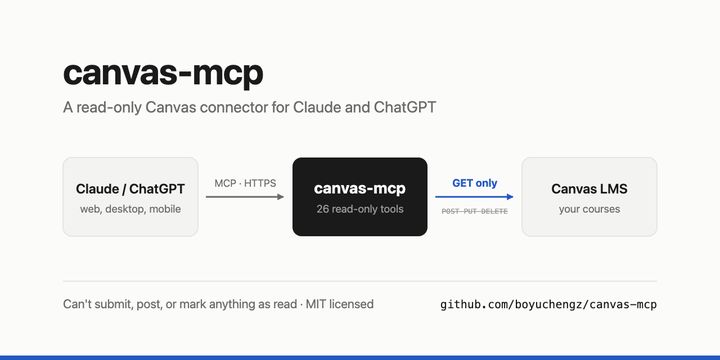
Connects Claude or ChatGPT to the Canvas school platform, read-only, so it can see your courses and deadlines.
The TVs got the lead story. The rest of the house: a meteor camera, a watch, a laptop that predicts its own death, and eight GPUs on an open frame.
An open-source 4K sky camera that Claude Code runs to catch and sort meteors overnight.
Eight GPUs and a Threadripper in an open frame, built to run large models at home.
An open-source Wear OS app that puts Mistral on your wrist.
A local app that forecasts your Windows laptop's battery life using a tiny Mistral time-series model.
No box fits. A first sale, a homemade dictation app, a translator that never phones home, a lie detector for text.
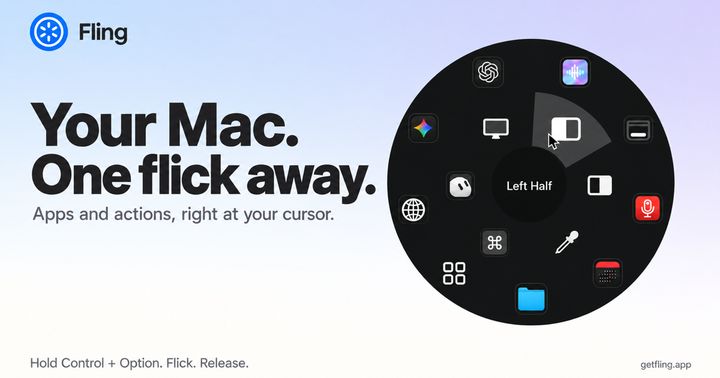
A small Mac utility whose builder posted the moment it made its first sale. 194 people showed up to celebrate.
A homemade replacement for the Wispr Flow dictation app that cleans up your text differently in each app and notices when you're in a meeting.
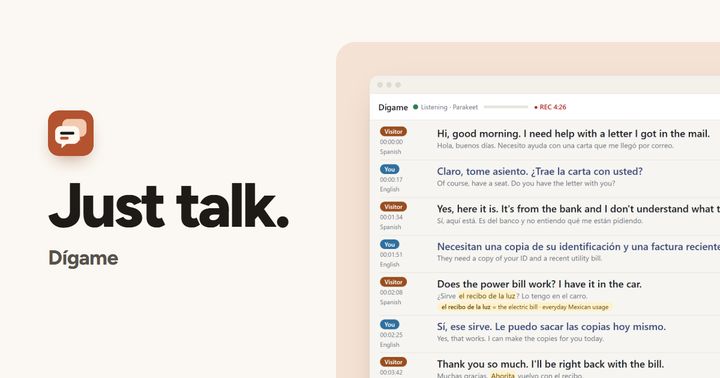
A free translator that runs entirely on your own computer, built because the builder actually needed one.
An AI-text detector that runs in your browser, so the text you check never leaves your machine.